Field Note 01- How I Learned to See
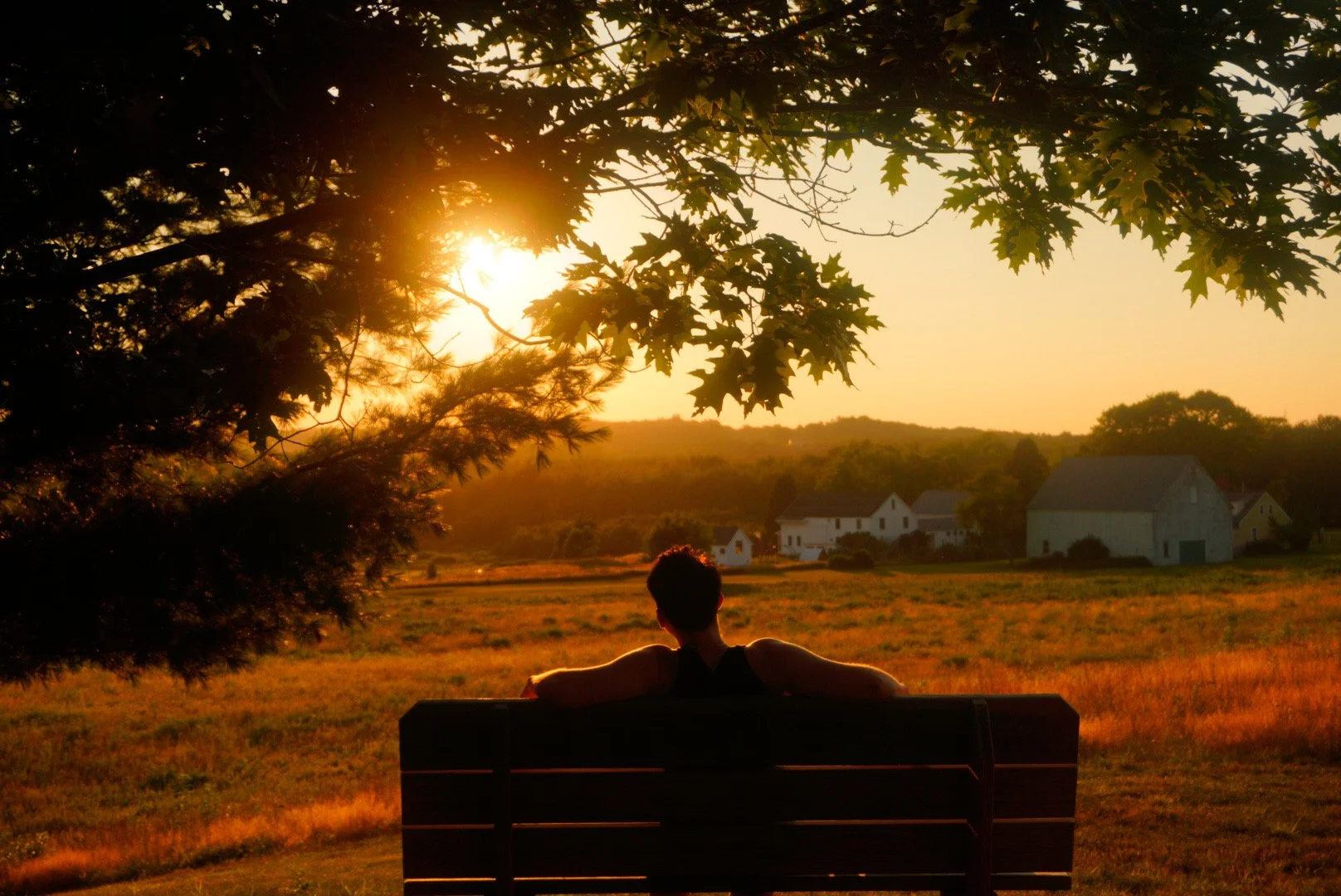
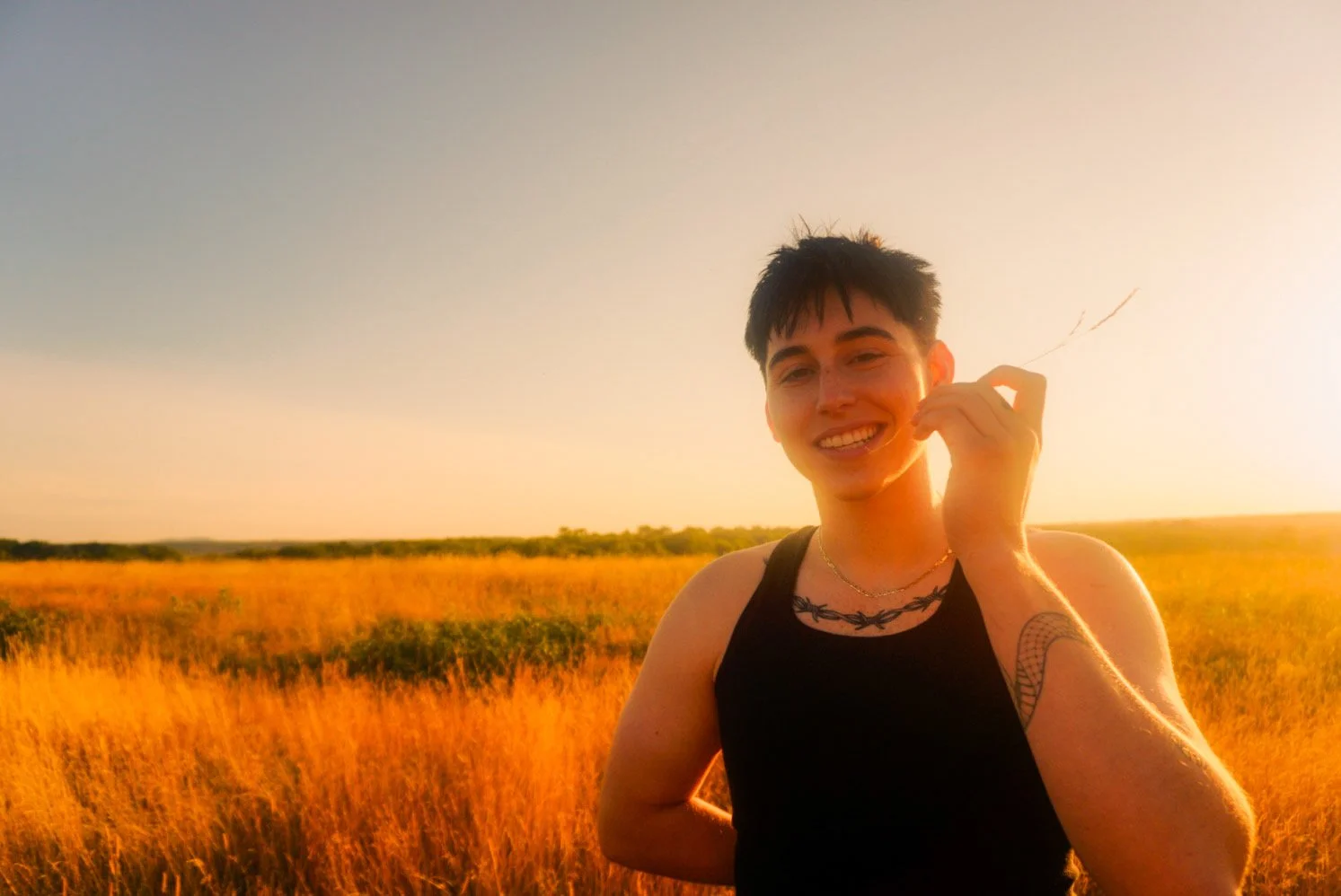
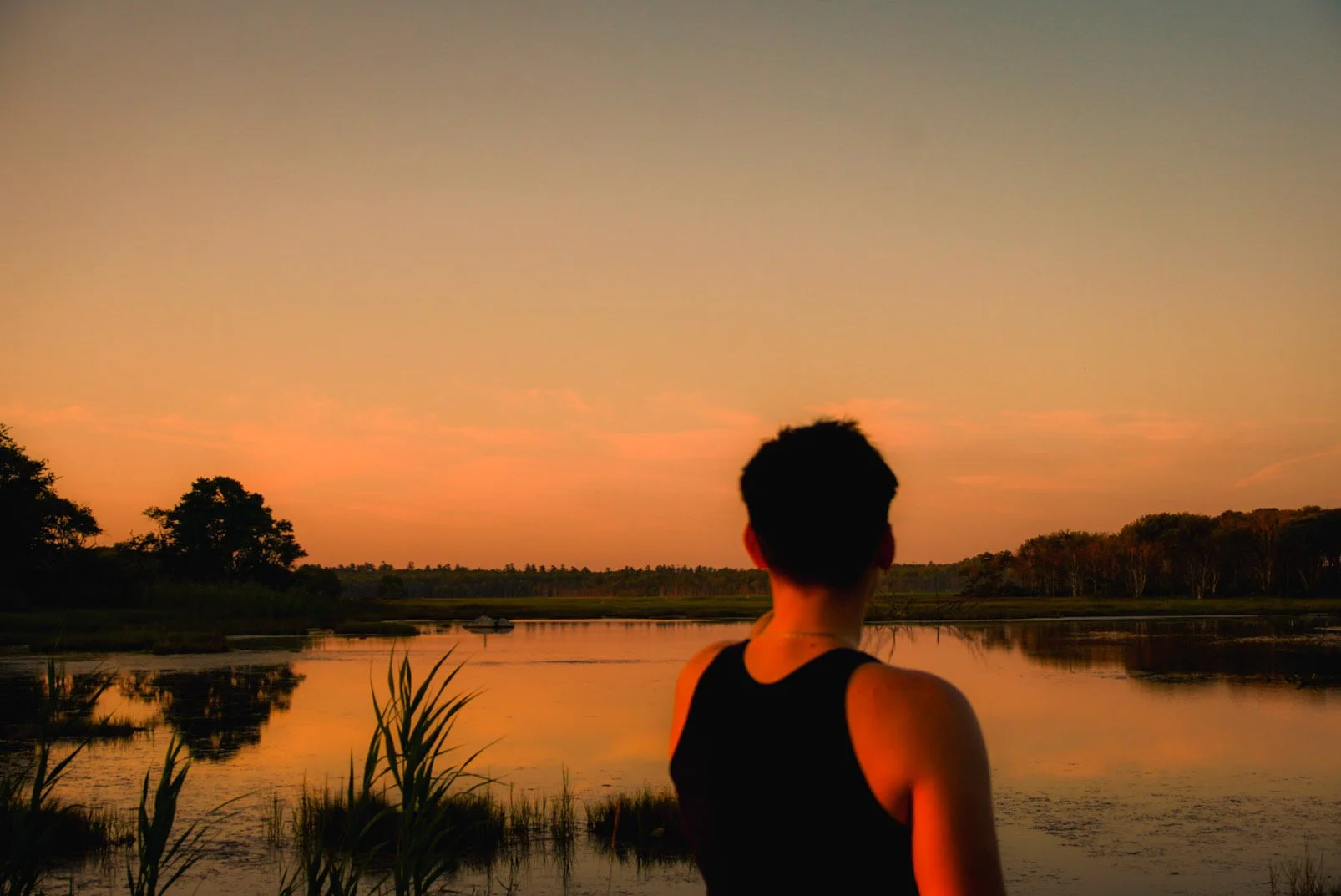
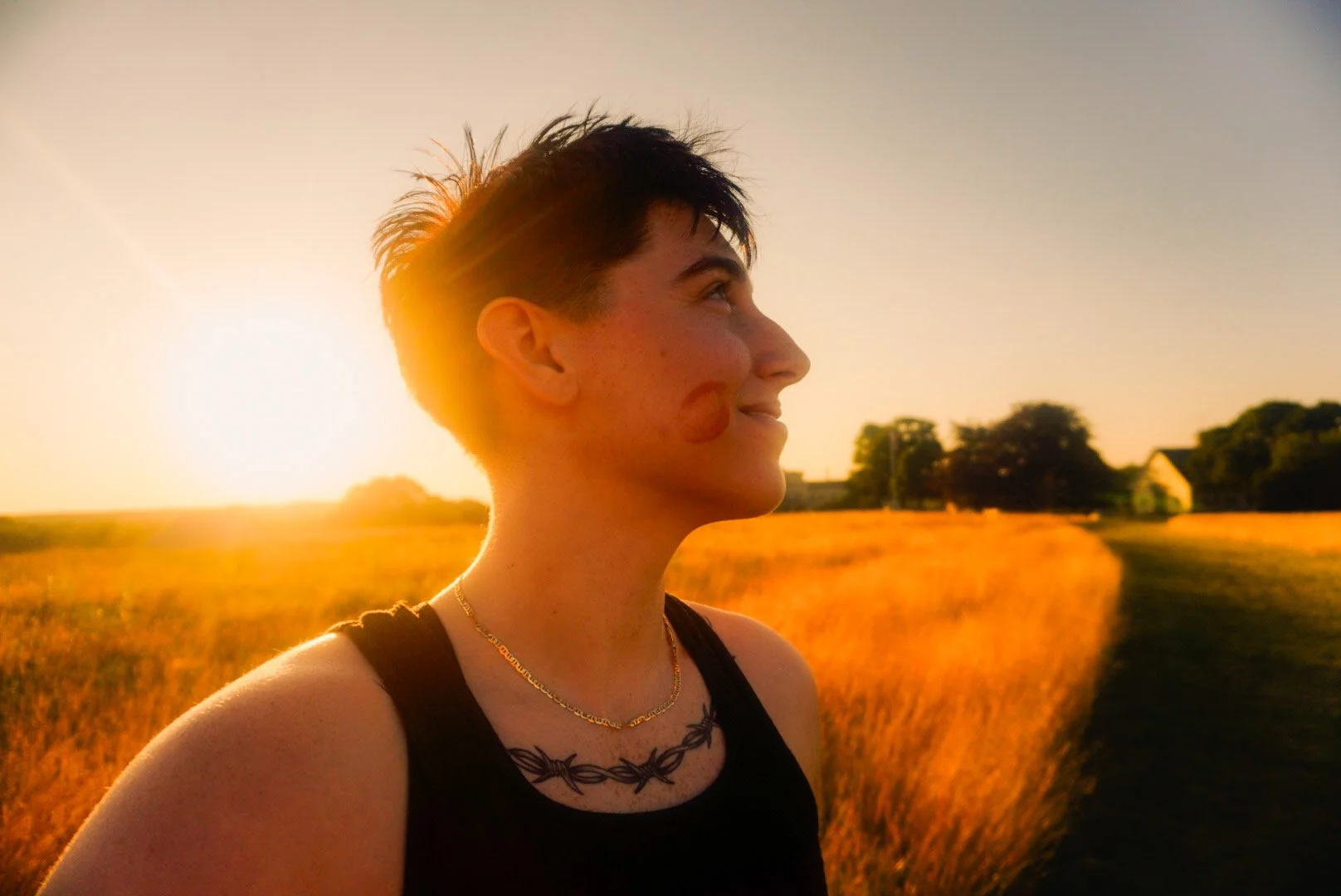
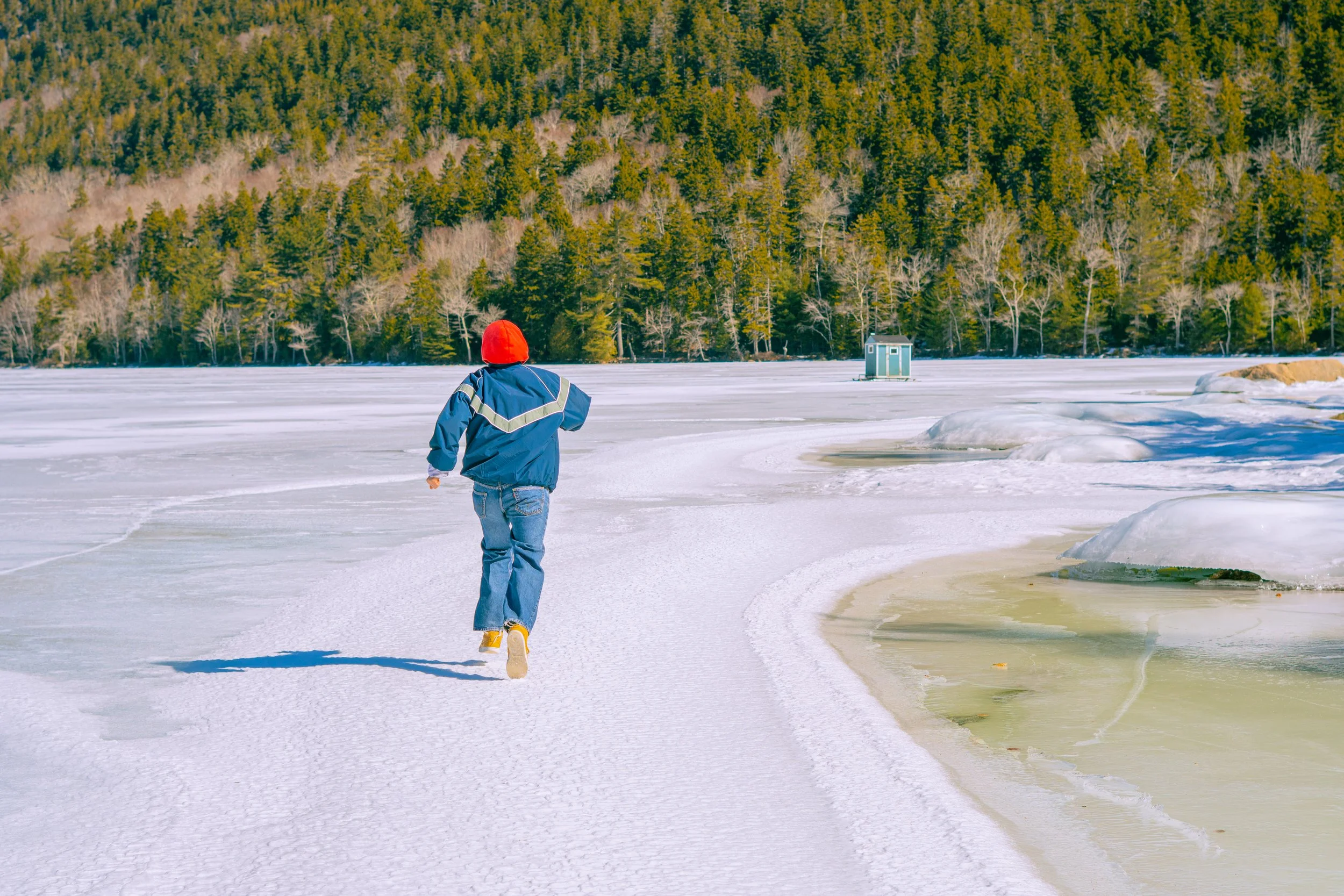
Taken at Laudholm Reserve in Wells, ME
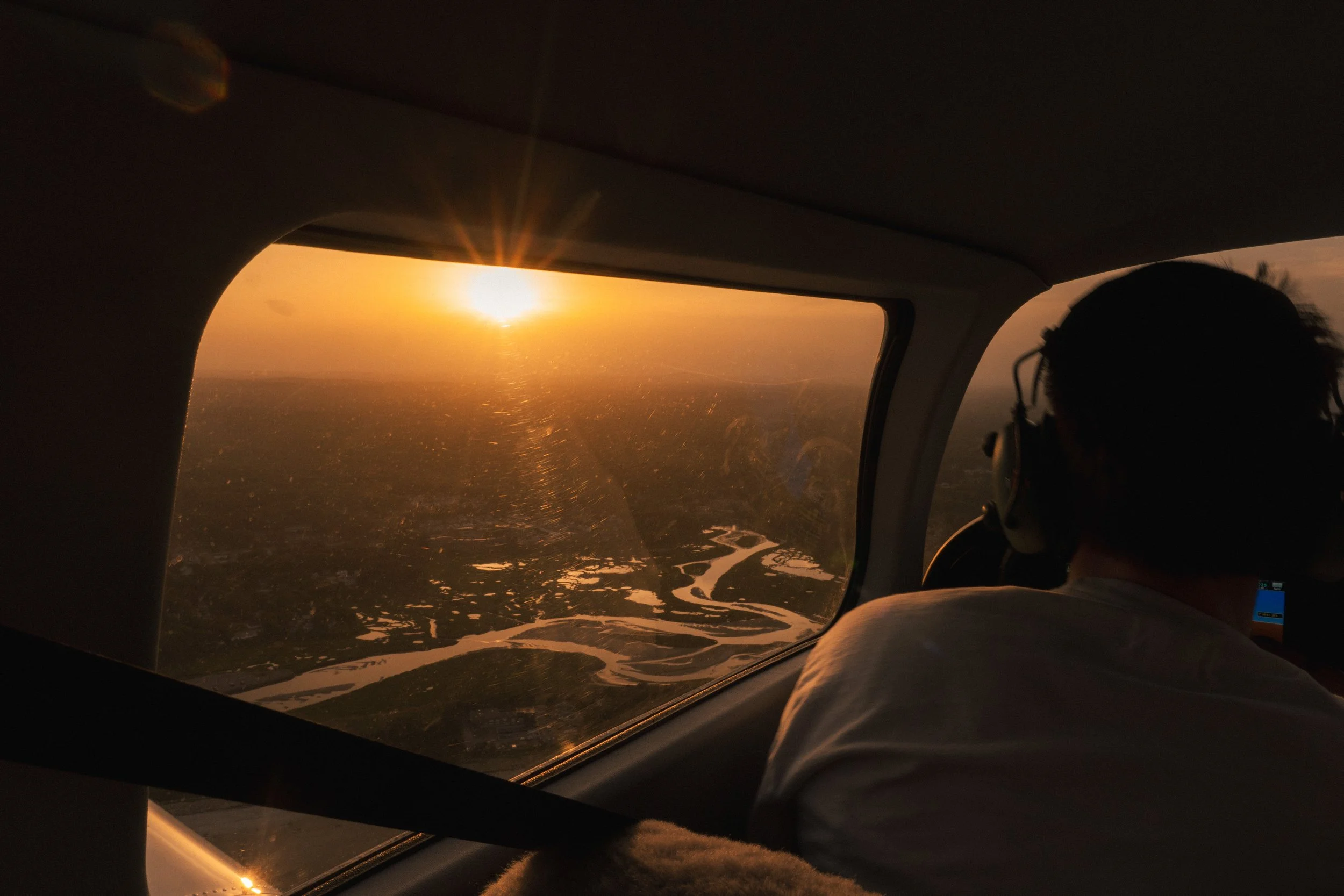
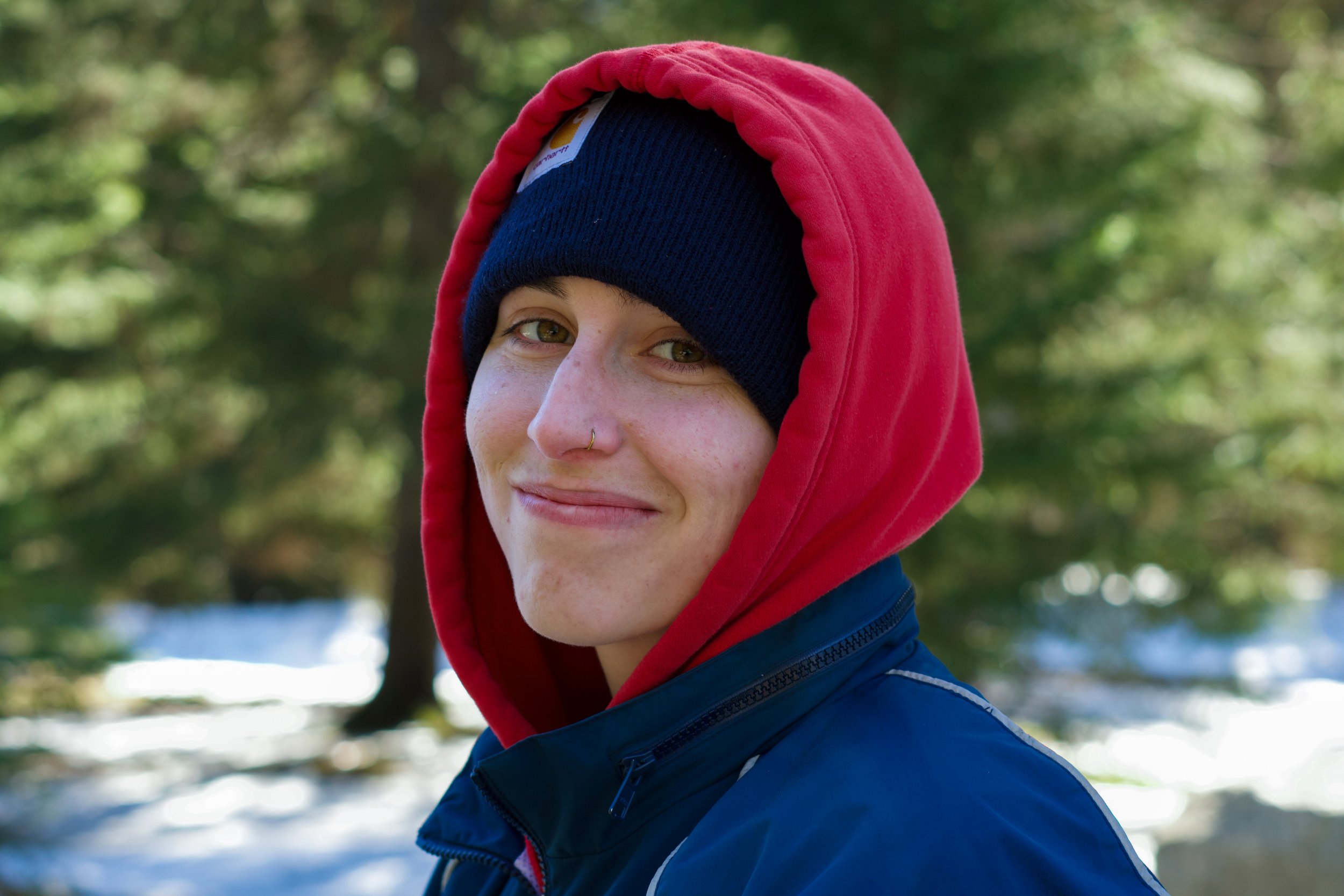
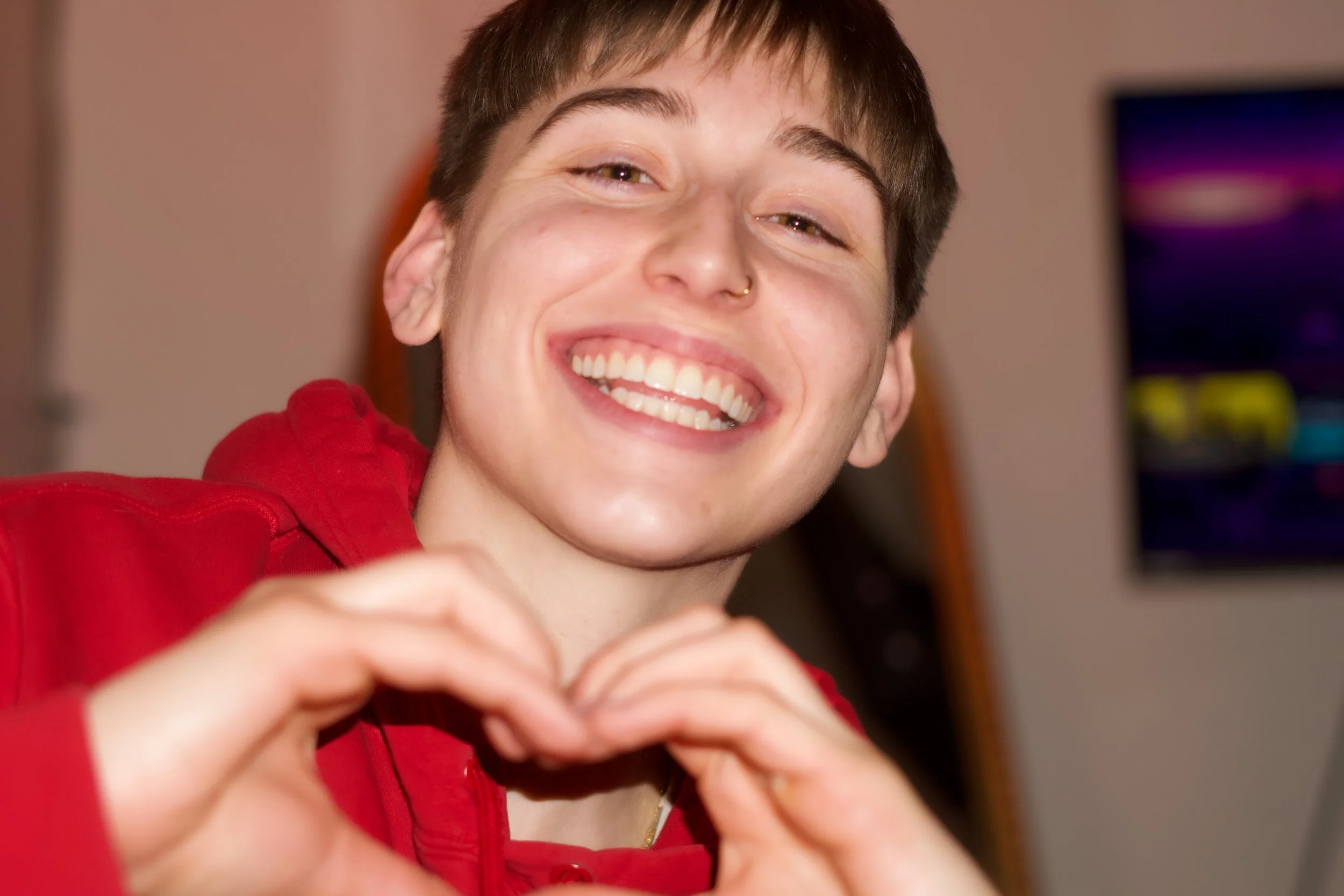
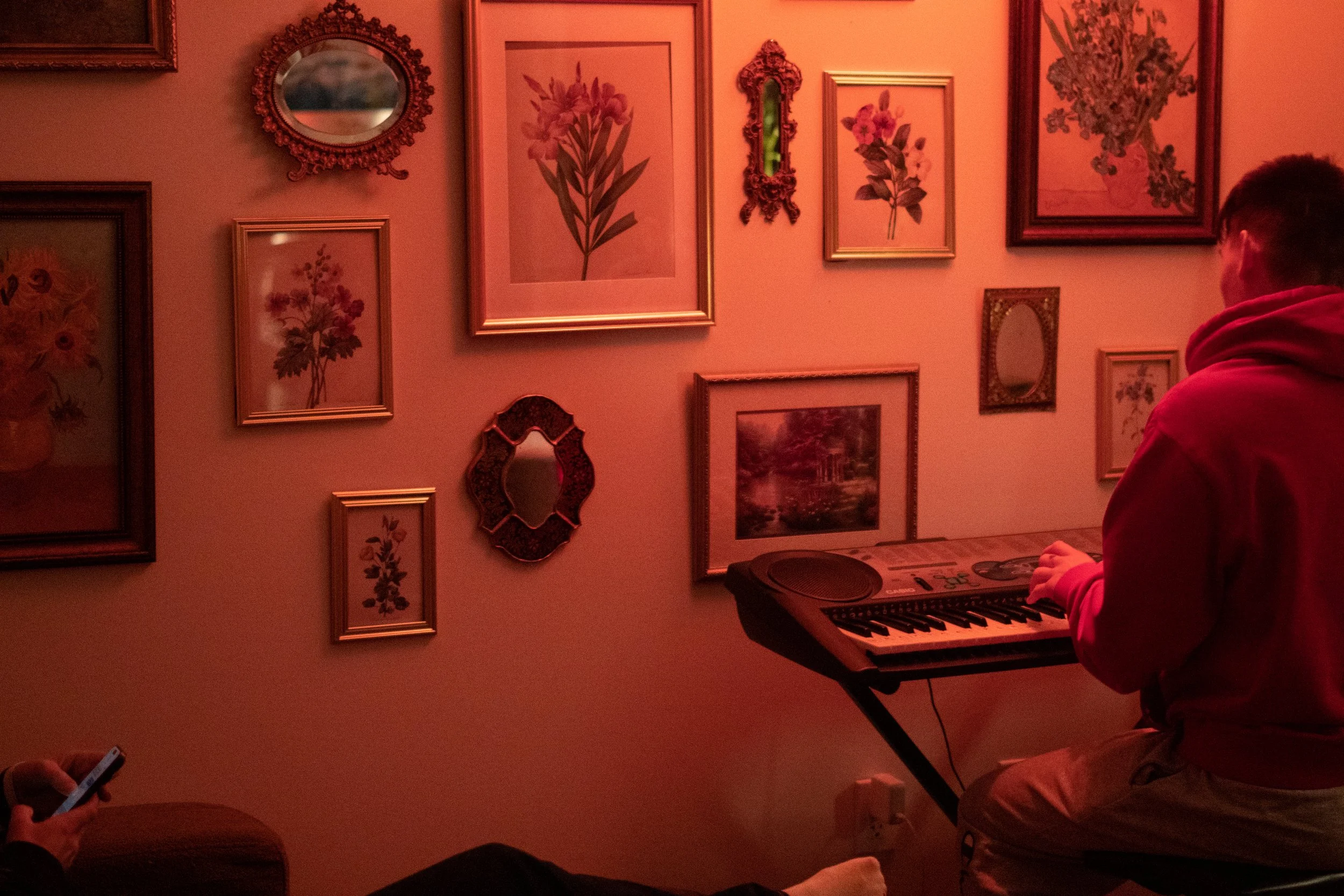
Anna is the reason I fell in love with photography in the first place. Before I cared about composition or aperture or understood all the little decisions that make a photograph feel like something, I cared about remembering her. I wanted to remember exactly how she existed in a moment, the way the sun fell across her face, the way she carried herself, the expressions that disappeared as quickly as they arrived, the versions of her that belonged only to a particular place and time. I think, in some way, I was already afraid of how quickly a life becomes a collection of things that happened. I wanted to keep pieces of ours. Somewhere along the way, wanting to make beautiful memories of the person I loved became a desire to understand how to make photographs worthy of those memories.
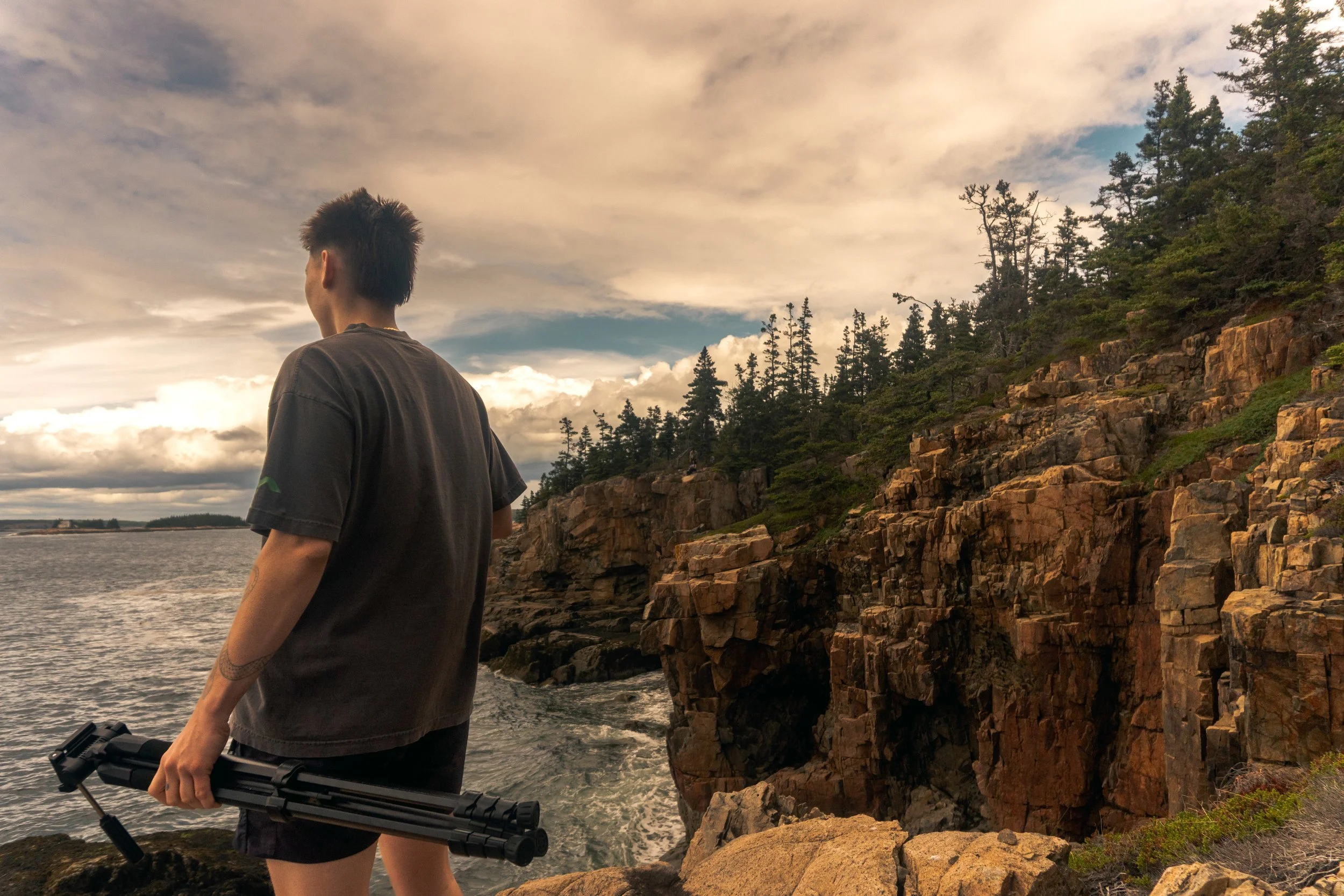
That instinct pushed me to teach myself the craft behind what I was seeing. I learned how composition guides the eye, how aperture can isolate a person from the world around them or invite that world into the photograph, how light creates shape and depth, and how perspective can completely change the feeling of an image. More importantly, I learned that noticing something beautiful and making a photograph that feels the way it felt to witness it are two entirely different things. Photography became an exercise in training my eye, anticipating light, recognizing balance, noticing gestures and negative space, and learning that everything I choose to include or exclude from a frame changes the story it tells. The technical pieces gave me a language for something I had already been trying to say every time I pointed a camera toward her: This is how I saw you. This is what this moment felt like to me. This is why I want to remember it so badly.
But photographing Anna also taught me that a portrait can do more than preserve the way someone looked; it can challenge the ways they have been taught to see themselves. I wanted to photograph her in a way that felt affirming, in a way that made her feel handsome, beautiful, powerful, soft, desirable, and entirely herself. Butch women move through a world that so often asks them to make themselves smaller, questions their womanhood, measures their beauty against standards that were never made with them in mind, and finds endless ways to erode the confidence it takes to exist visibly outside of those expectations. I never wanted my camera to reproduce that gaze. I wanted it to offer her another one.
I wanted to make photographs that celebrated her masculinity rather than softened it, that left room for her femininity without demanding it, and that allowed all of those things to exist together without contradiction. I began to understand portraiture as an act of attention: the responsibility of learning who someone is before deciding how they should be seen. A good portrait, to me, isn’t about making someone conform more beautifully to an expectation. It is about paying close enough attention that the person looking back from the photograph still belongs completely to themselves.
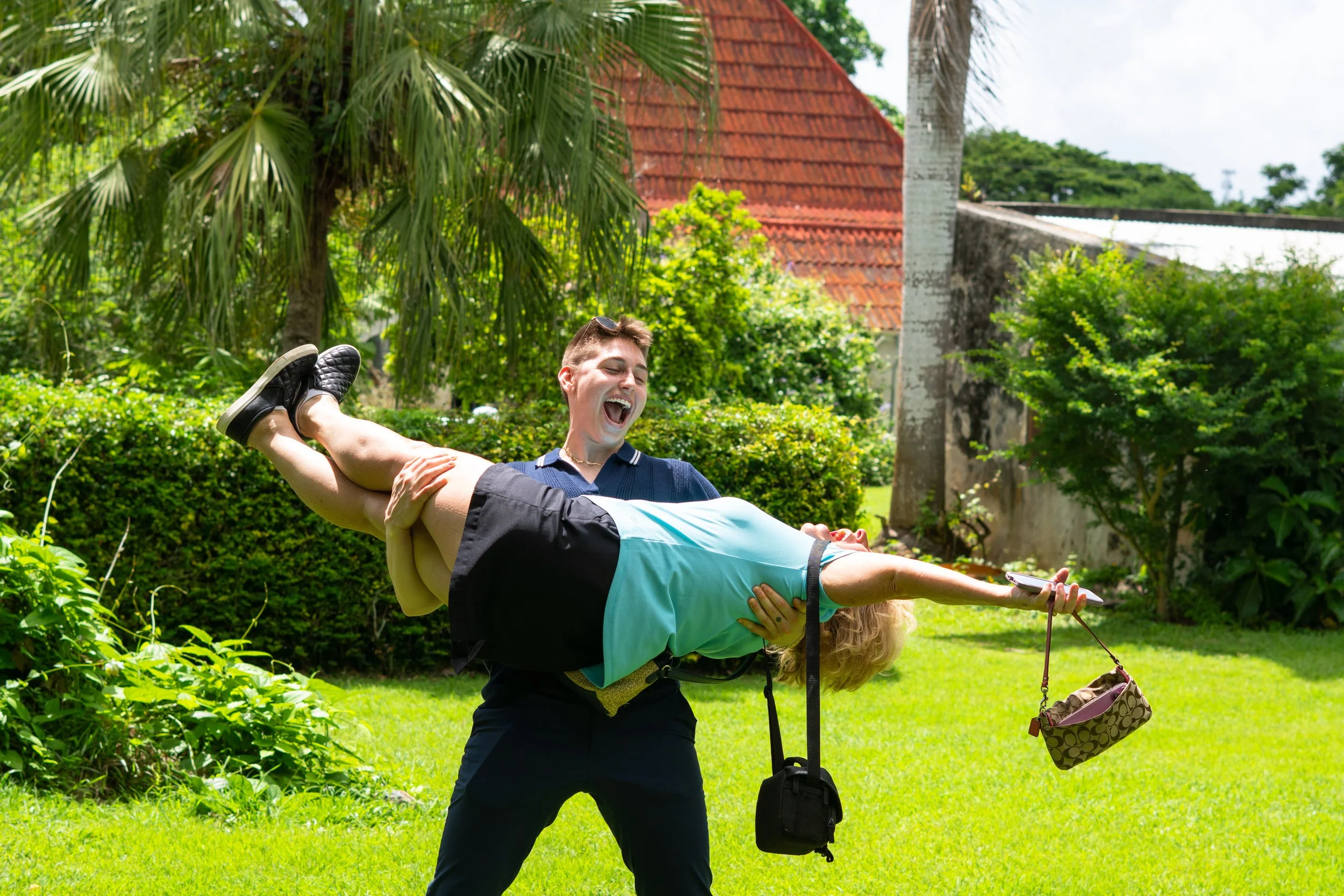
More than anything, I wanted Anna to look at a photograph I made and see what I see when I look at her, someone profoundly beautiful not in spite of the ways she refuses to conform, but in all of the ways she is unmistakably herself. I also wanted to give us many ways and frames to remember what our love felt like at different times in our life as we continue to grow older together, into newer and different versions of ourselves.
These photographs are where everything began for me. They are pieces of a person I love, pieces of our life, and pieces of the photographer she unknowingly taught me to become. They are my attempt to preserve all the different ways she has existed while I have had the privilege of loving her, not as the world might ask her to be, but exactly as she was, exactly as she is, and exactly as I was lucky enough to see her.